A report produced by Earthwatch Europe, in partnership with the Corby community, has identified metals at concentrations above Predicted No Effect Concentrations at freshwater sites across the town. The study involved citizen scientists testing dozens of locations and analysing samples for metals and metalloids in Corby’s rivers.
Community partnership investigation
IN partnership with the Corby community, Earthwatch Europe has produced a new report revealing the presence of metal pollution in Corby’s rivers.
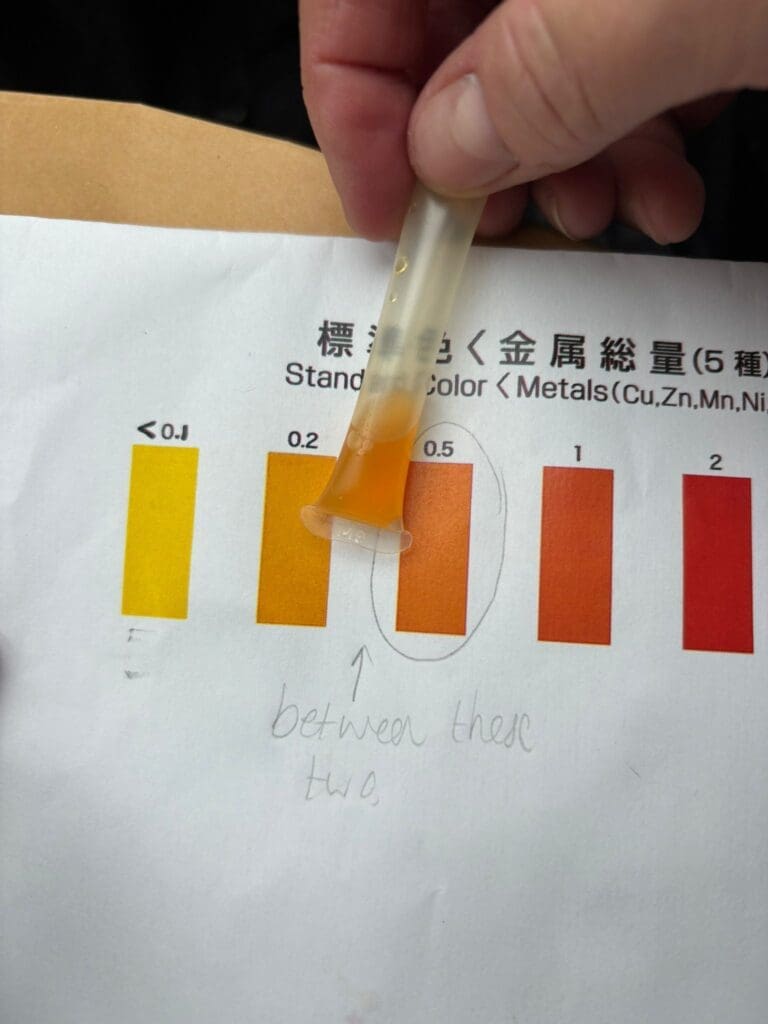
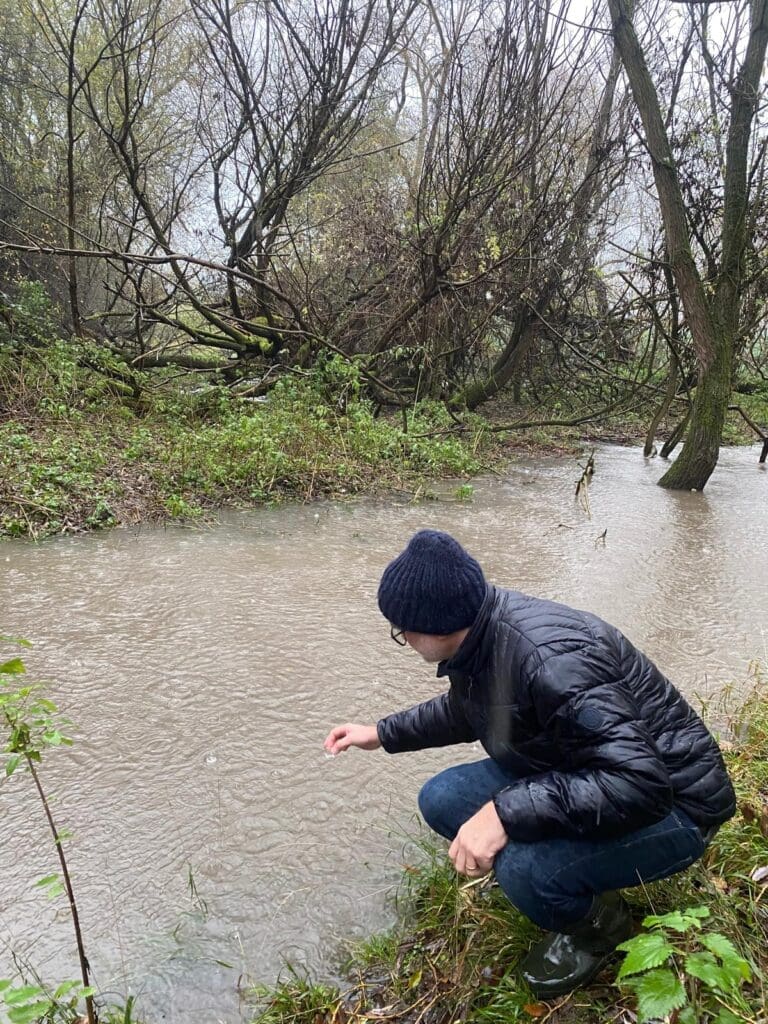
The study involved 35 trained citizen scientists testing 59 freshwater sites across Corby in November. Samples were analysed for 33 elements, including 29 metals and metalloids, using a combination of field-based citizen science kits and laboratory analysis.
At every site tested, at least one metal or metalloid was detected at a concentration above its Predicted No Effect Concentration (PNEC) for freshwater habitats – the level below which adverse effects on aquatic ecosystems are not expected.
Background to the project
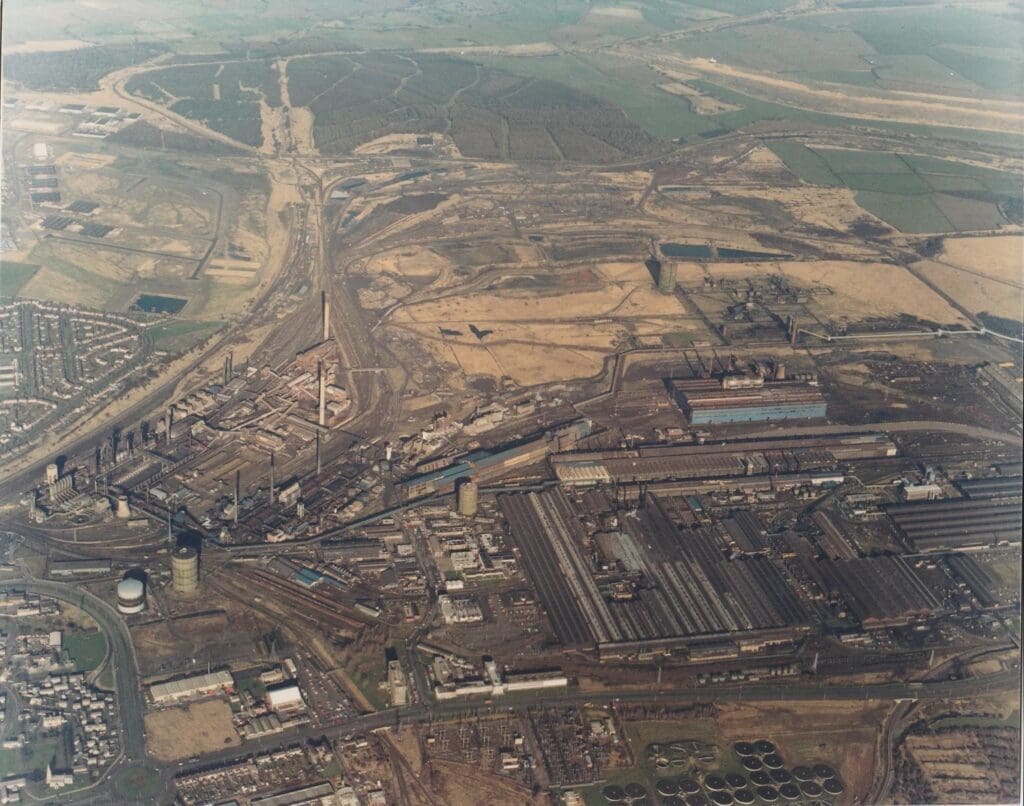
The project was initiated in August last year when Corby community leaders approached Earthwatch to investigate long-standing concerns over residual contamination from the former British Steel works. These concerns date back to the site’s decommissioning and a landmark 2009 court case, which found that airborne industrial contaminants – including cadmium, chromium, and nickel – had caused local birth defects during the decommissioning process.
Metals detected above PNEC levels
In this most recent study by Earthwatch, nickel was detected above its PNEC at 30 sites, while cadmium was detected at elevated concentrations at seven sites. Sites where cadmium and nickel concentrations were elevated were largely concentrated around Deene Quarry and a former slag heap in Weldon.
The distribution of metals was not uniform across the town. The analysis identified three areas where five or more metals were present above their PNEC, indicating localised pollution hotspots.
Statement from Earthwatch Europe
Dr Sasha Woods, director of science and impact at Earthwatch Europe, said:
“By working with the community in Corby, we’ve been able to gather a detailed snapshot of freshwater metal pollution across the town. The findings indicate that some metals are present at levels that could pose a risk to aquatic life, particularly in areas close to known historic waste sites.
“This study complements what we already know about metals pollution in Corby and highlights where further investigation may be needed. We’re very grateful to the community in Corby for their support in producing this report and we’re proud to be able to support important citizen-science projects like this.”
Scope of the report
The report focuses on environmental health and does not assess risks to human health. Drinking water in the UK is treated and regulated separately, with strict standards overseen by the Drinking Water Inspectorate.
Earthwatch Europe emphasised that the findings are indicative and that further monitoring, including repeat testing in different weather conditions, would help build a clearer picture of the sources and behaviour of metals in Corby’s waterways.
Response from the Environment Agency
A spokesperson for the Environment Agency said: “We welcome the initiative and work that has been carried out by Earthwatch Europe. Citizen science is a valuable contribution to the evidence base on water and helps to identify and prioritise action.
“We will study the findings of the final report so we can support and advise North Northamptonshire Council and Earthwatch Europe on their next steps.”
Citizen science project
The project forms part of Earthwatch Europe’s wider commitment to citizen science, supporting communities to collect robust environmental data and contribute to evidence-based decision-making.
Read the full report here:
https://tinyurl.com/corbystud