The inland waterways community is paying tribute to Dinah Hutchinson (née Burford), a pioneering figure who dedicated her life to preserving the history, heritage and culture of Britain’s canal-working families. Mrs Hutchinson died peacefully in her sleep on Saturday, October 4, aged 90, leaving behind a legacy that transformed the way the public understands and celebrates working narrowboat life.
Mrs Hutchinson’s passion for the waterways began during the great freeze of 1961–62, when her home overlooked the Regent’s Canal near City Road Basin. As the canal froze solid for weeks, she encountered the families who lived aboard the colourful working narrowboats stranded on the ice. These were crews who had, until the freeze, been carrying freight for British Waterways between Birmingham and the London docks. When the thaw finally came, the traffic never returned — freight had moved permanently to the roads.
Seeing the community’s way of life disappear before her eyes, Dinah became determined to create a museum to honour the canal boat people and their unique culture.
With characteristic drive and tenacity, Mrs Hutchinson searched the Regent’s Canal wharves for a suitable site and, alongside supporters, established what would become the Canal Museum Trust. In the late 1980s she secured a lease on a derelict site at 9–11 New Wharf Road, Battlebridge Basin, at a symbolic peppercorn rent. When the Greater London Council (GLC) was dissolved in 1986, the freehold was sold to a developer — but Dinah successfully persuaded the authorities to grant a 35-year lease to the Trust.
A sudden property boom in 1989 threatened the museum’s future when the developer moved quickly to build on the 9–11 site, which carried valuable “air rights.” Drawing on her legal background, Dinah negotiated an ingenious property swap that secured the historic former icehouse at 12–13 New Wharf Road — a far more fitting home for a canal museum, complete with original ice wells. The difference in value between the two properties was granted to the museum as a dowry, thanks to Dinah’s extraordinary negotiating skill.
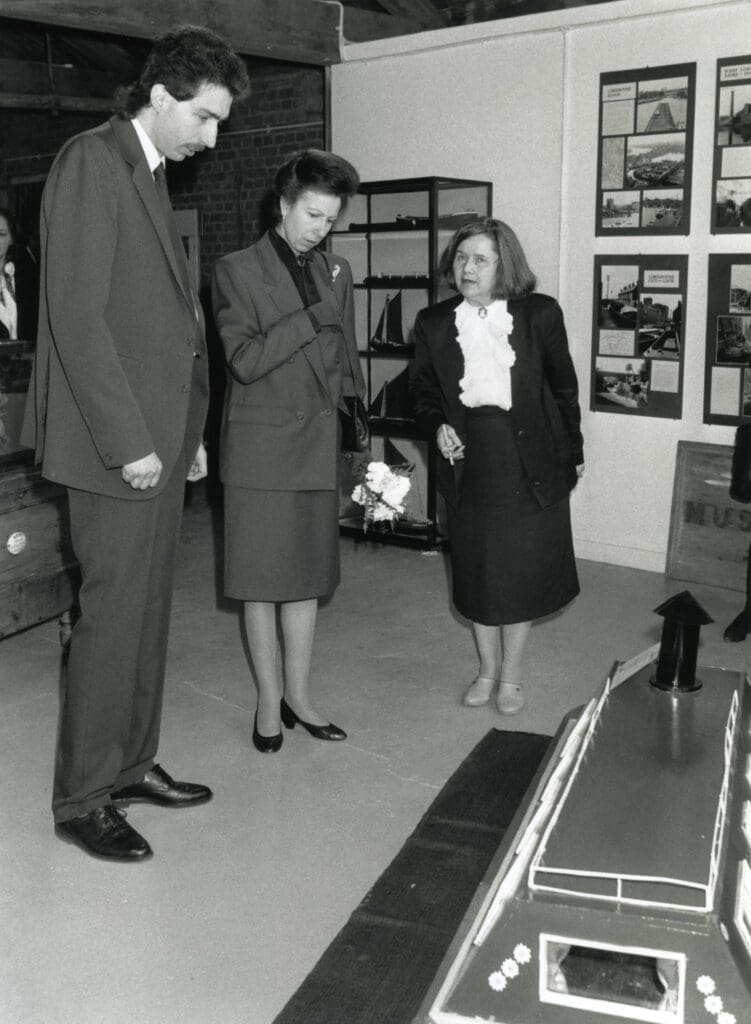
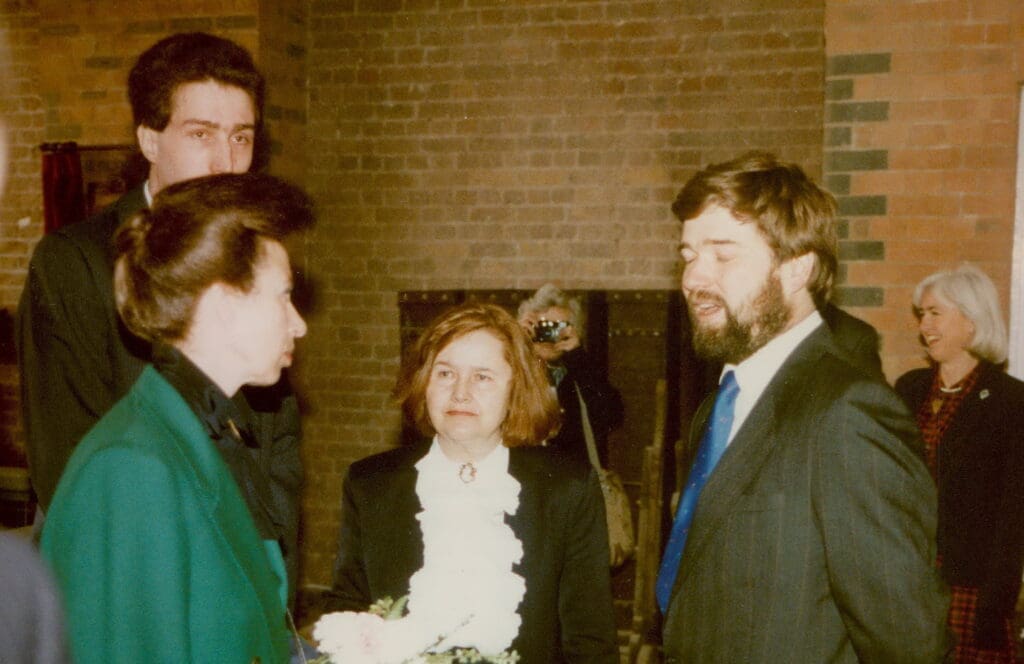
At the time, the canal through Islington was considered a neglected, declining area. Nevertheless, Dinah secured inner-city action grants and additional funding to transform the icehouse into a museum. Through her vision — and the efforts of many volunteers — the London Canal Museum opened its doors in 1992, officially inaugurated by The Princess Royal.
One final twist underscored Dinah’s long-term foresight. In 1991, the property market crashed and the developer who owned the freehold of 9–11 New Wharf Road faced financial difficulties. He approached the museum to buy the freehold. Dinah encouraged the Trust to accept, securing the site for £250,000, supported in part by a mortgage — ensuring the museum’s rent-free existence to this day.
Today, the London Canal Museum welcomes more than 20,000 visitors annually, sharing the stories, traditions and working life of Britain’s historic canal boat community. Its existence is directly attributable to Dinah Hutchinson’s unwavering determination and belief in the cultural importance of the waterways and the people who lived and worked on them.
Mrs Hutchinson’s death was announced in The Telegraph on October 23. Her funeral took place on November 17 at St Mark’s Church, Regent’s Park, with donations invited for Teen Challenge London.
Towpath Talk joins the waterways community in paying tribute to a woman whose dedication ensured that the heritage of the canal-working families will continue to be preserved, celebrated and understood for generations to come.