‘Reason for breach has probably been washed away’
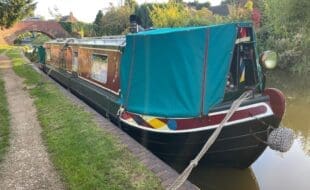
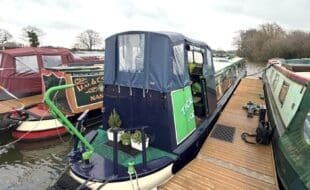
OUR wishes for a peaceful Christmas and prosperous new year were dashed by the news of the breach of the Llangollen Canal at Whitchurch in the early hours of December 22. All of us who have watched the aftermath unfold have been impressed by the response of the Canal and River Trust and its contractors to the enormous tasks of making the area safe, recovering boats in and tottering on the brink of the huge hole left by the breach, and damming the canal to isolate it. Pumps were installed to refill the canal and reinstate the feed to Hurleston Reservoir which supplies essential drinking water from the River Dee at Llangollen to much of Cheshire. Boats were being refloated on Christmas Eve under the watchful eye of River Canal Rescue. The public responded extremely generously to an appeal on the Go Fund Me platform to ensure that those who lost everything in the disastrous event would have something to help their recovery.
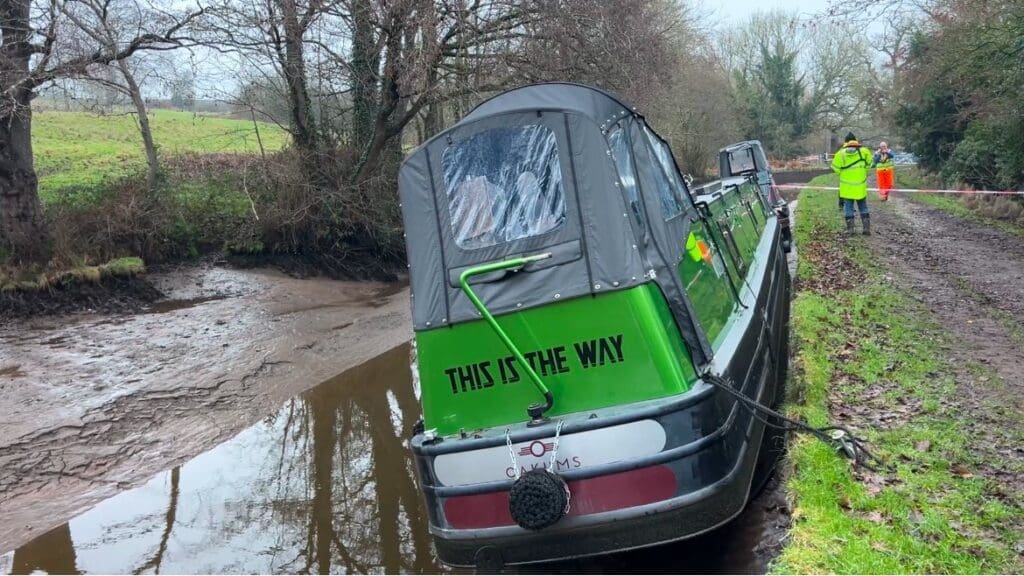
The reason for the failure of this earth embankment has probably been washed away. There has been much speculation; primarily, a concern that this could have been the result of a culvert failure – and the armchair engineers were calling for camera inspections of all culverts to ensure there were no others likely to fail in a similar way. This technology is available to the CRT and is used for inspection of structures deep beneath the surface where problems could be lurking. But this was not a culvert failure – it was a breach of the earth embankment. And at the time of writing, I have no more idea of the cause than any of the numerous speculators on social media. What we do know is that an earthwork is vulnerable and needs careful monitoring.
The cause could be undermining by animals. The invasive signal crayfish is known for its mining prowess, often burrowing into the bank structure for between one and two metres. Mink, another invasive species, are known to follow the crayfish and water voles and enlarge the burrows to catch them. Indigenous creatures also cause problems. There are known badger sets and rabbit warrens that provide large voids within the structure. Once water is introduced in significant quantity from heavy rainfall or the canal itself, it progressively washes away more and more earth to provide a path through. Once a route is established, there is nothing to prevent the continuing enlargement of voids and the collapse of the canal wall.
Just as Toddbrook Reservoir repairs (see update – page 18) and other important reservoir projects near completion, the CRT is facing another huge expense. Rebuilding the embankment will not be cheap. The hole in the trust’s finances will also get bigger as inflation and rising costs erode them away. NABO believes there must be a change of mind in government to adequately fund the trust to become better guardians of these historically important structures. Supporting wildlife such as the water vole, which also bore holes in banks and undermine the towpaths, and protecting badgers, which form underground caverns, comes with risks that can result in huge financial implications. Money is also needed for management of the most damaging invasive species.
There was also a tragic boat fire in Crooke Marina on the Leeds and Liverpool Canal in Wigan on Christmas Day that took the lives of one man and his assistance dog. Our thoughts and prayers go out to the relatives whose Christmases to come will be blighted by the memory of this tragedy. Again, one should not speculate on the cause while an investigation is ongoing; however, this is a reminder that boating comes with risks that must be managed.