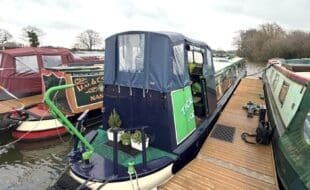
Reports of littering and antisocial behaviour on the Kennet and Avon have been ‘seized upon’ by the Canal & River Trust as evidence of the need for ‘draconian enforcement powers,’ claim boater representatives.
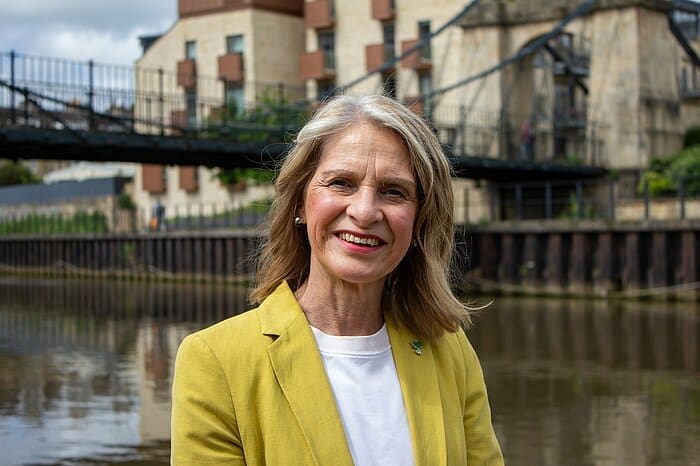
THE Liberal Democrat MP for Bath, Wera Hobhouse, opened an adjournment debate highlighting escalating antisocial behaviour along the Kennet & Avon Canal in her constituency. Speaking in the House of Commons, she warned that residents, visitors and responsible boaters are “subjected to persistent and at times dangerous antisocial behaviour” from a small minority whose actions are blighting the area – and urged the Government to overhaul canal legislation and strengthen enforcement powers.
She described a catalogue of problems: loud late-night music, bonfires, vandalism, drug and alcohol misuse, public urination, and towpaths obstructed by dumped furniture and rubbish. Even more alarming, she said, were reports of human waste being emptied directly into the canal and diesel spills polluting the water.
“These are residential areas,” Mrs Hobhouse told fellow MPs. “No resident or visitor to Bath should ever feel unsafe on our canals.”
She also highlighted long-term overstaying on short-stay moorings and abandoned boats blocking locks and essential services. Such issues, she argued, stem from a fragmented enforcement system in which responsibility is split between the Canal & River Trust, local councils, the police and the Environment Agency.
“When everyone is responsible, no one is responsible,” she said, calling for clearer accountability and better coordination.
Central to her argument is the British Waterways Act 1995, which she said leaves CRT without the legal clarity or powers needed to manage the modern waterway network. The act requires continuous cruisers not to remain in one place for more than 14 days, but offers no definition of what ‘one place’ means. The result, she said, is a system that fuels disputes, slows enforcement, and leaves the CRT unable to act swiftly against unlicensed or abandoned boats.
“If we are serious about fixing this,” she said, “we must give those responsible the authority and resources they need.”
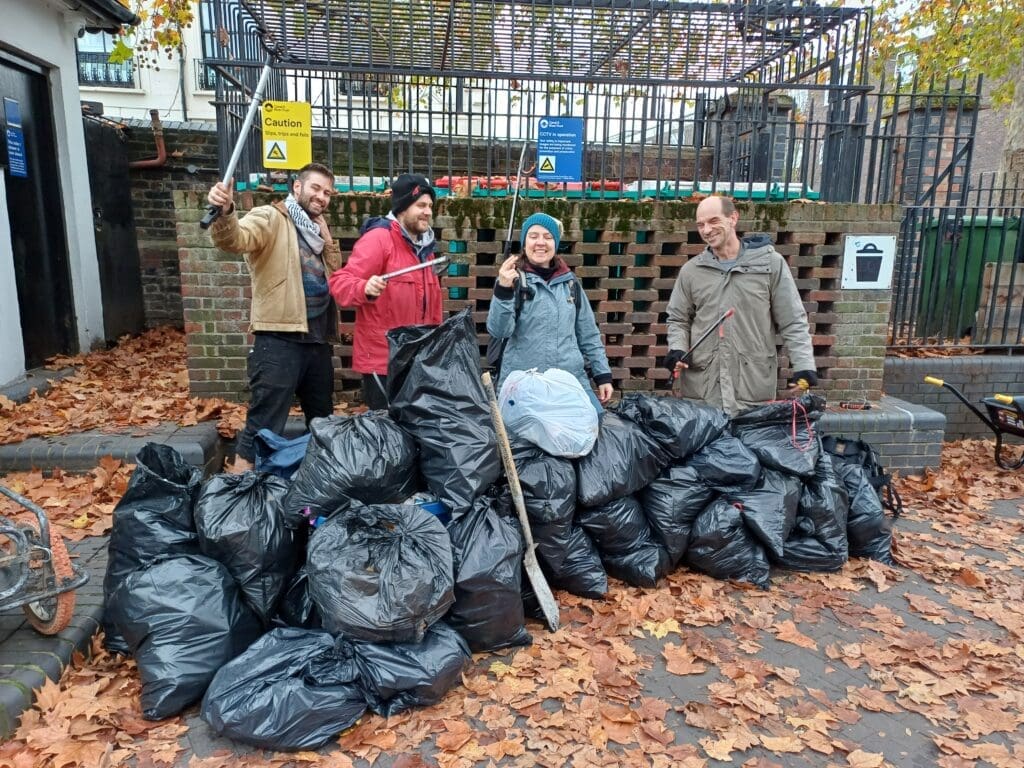
In response, Environment Minister Mary Creagh said the Government is committed to tackling antisocial behaviour through new measures in the Crime and Policing Bill, including higher penalties for breaches of public space protection orders. She also pointed to the CRT’s recent independent licensing review, which recommends clearer movement rules, powers to levy fines, and the ability to remove boats following a court order. The Government, she said, stands ready to support legislative changes. But the National Bargee Travellers Association (NBTA) said: “Litter, and antisocial behaviour more broadly, is a major issue. Communities have been stepping up to combat the problem, including the boating community, which is engaged in an ongoing series of towpath clean-ups through the Nomadic Litterpickers campaign.
“Rather than address the root causes, the CRT is agitating for enforcement powers that will allow them to dictate boaters’ cruising ranges, continue to raise costs for licence holders, and forcibly dispossess people of their homes if they’re unable to comply. How
a suite of new draconian powers is going to dissuade the country’s litter bugs is not clear.
“After sharing her concerns, Mrs Hobhouse acknowledged that there are government agencies already empowered and funded to deal with the issues. Before the CRT seeks government support to radically change the lives of thousands of boaters with draconian new legislation and unchecked power, the boating community suggests that these agencies work together with the power and resources they already have.
“Tidying up pockets of the waterways, as Mrs Hobhouse wants to see in her constituency of Bath, is entirely possible within the scope of current legislation and in conjunction with government agencies empowered and properly trained to achieve this.
“The boater community – the vast majority of whom are law-abiding, community-minded citizens, and who are more concerned than anyone that antisocial behaviour and littering on the waterways they call home is dealt with – is calling on all politicians, including the MP for Bath, not to be hoodwinked into supporting this play for more authoritarian powers to a quango which, unlike the police and the Environment Agency, has no direct government oversight.”