Early industrial achievement
THE Stroudwater Canal, completed in 1779, stands as one of Gloucestershire’s earliest and most significant industrial achievements. Designed to connect the River Severn at Framilode with the market town of Stroud, it was conceived and financed by local merchants and mill owners seeking a reliable route for transporting coal, stone, and timber to fuel the thriving woollen industry of the Stroud Valleys. For more than a century, the canal served as a lifeline for the region’s mills and workshops, enabling efficient trade and supporting communities along its eight-mile stretch. Its locks, bridges, and wharves became symbols of innovation and economic progress.
Decline and restoration efforts
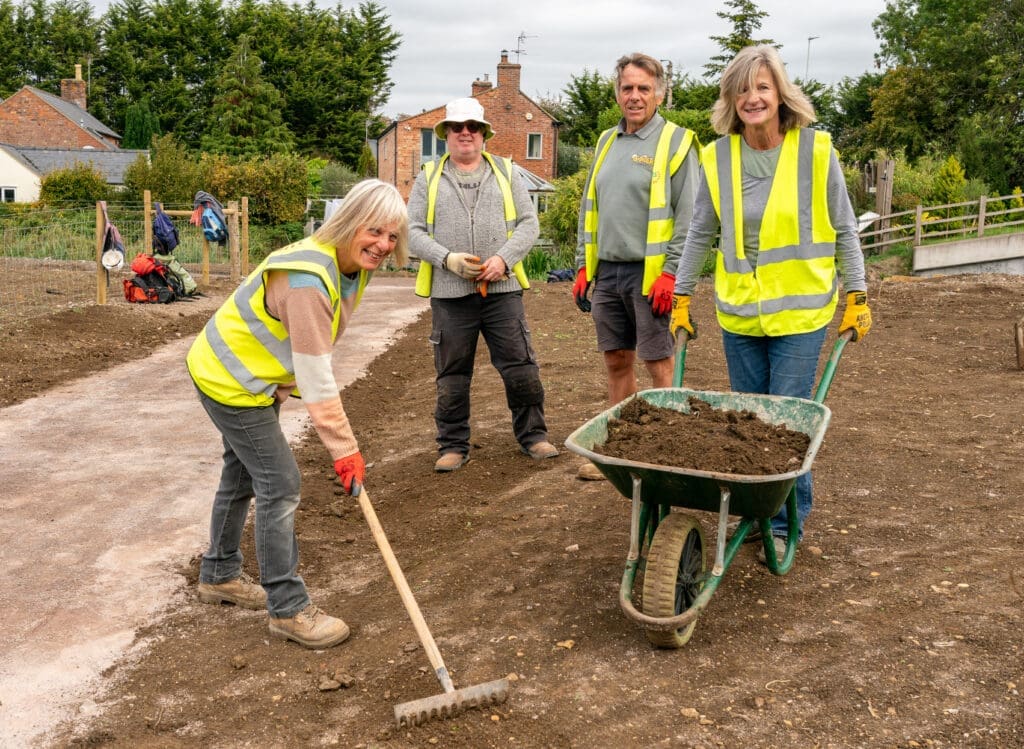
By the mid-19th century, however, the rise of the railway network brought rapid decline. Commercial traffic dwindled, and by the 1950s, many sections of the canal were derelict or filled in. In the late 20th century, volunteers formed the Cotswold Canals Trust to save and restore the canal. It has more than 6000 members, the largest membership base of any canal restoration project in the UK, and 350 active volunteers. During decades of dedication, they have rebuilt locks, dredged channels, repaired bridges, and revived habitats once lost to time.
Current restoration project and research
Today, the Stroudwater Canal – which will celebrate its 250th opening anniversary in 2029 – forms a key part of the Cotswold Canals Connected project – one of the UK’s largest and most ambitious waterway restorations. Its revival not only honours the region’s industrial past but also enhances biodiversity, supports recreation and tourism, and reconnects local communities to their historic waterways for generations to come.
The Inland Waterways Association and Canal & River Trust have carried out research that puts the social (health and wellbeing) value of restoring the canal at £2.7 million per mile per annum. have carried out research that puts the social (health and wellbeing) value of restoring the canal at £2.7 million per mile per annum.