An independent commission’s report on boat licensing for the Canal & River Trust concluded that the current system is outdated, inconsistent, and in need of reform – and has recommended clearer definitions, stronger enforcement powers, and a simpler, fairer framework that reflects modern use of the waterways.
BOAT licensing needs reform to reflect the current and future use of the waterways, the report concluded, but current licensing arrangements will remain in place while the CRT considers its recommendations in detail.
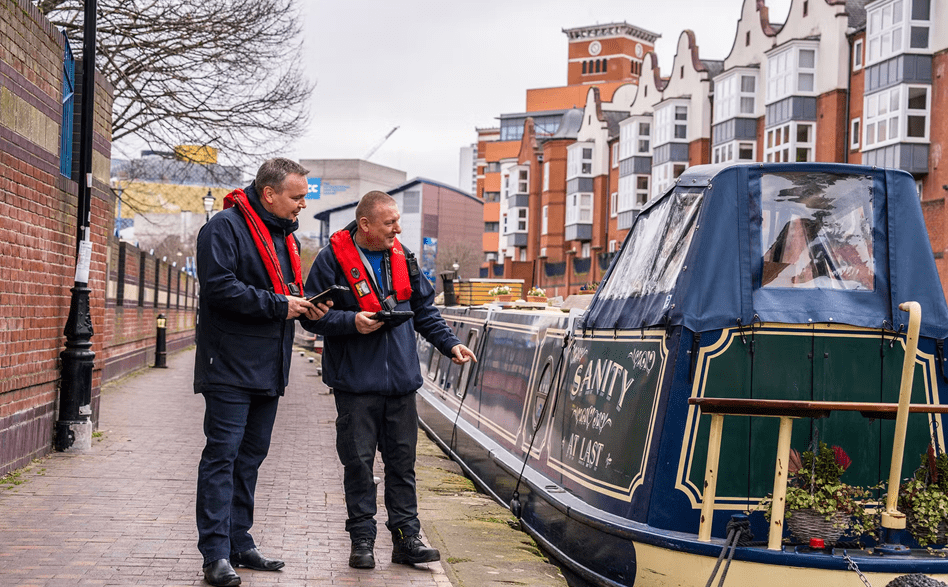
As reported, the commission was established by the CRT at the start of 2025 to explore the continuing appropriateness of the current legal framework for boat licensing in view of the changes in use of the waterway network over the last 30 years.
It has now published its report, outlining key findings:
· Licensing system needs reform: The commission found widespread dissatisfaction with the current arrangements and judged them no longer fit for purpose.
· Clearer and simpler framework: Recommendations include removing confusing terms (such as continuous cruising), simplifying categories, and making rules easier to understand.
· Enforcement powers: Strengthening enforcement has been suggested to ensure fairness and consistency across the network.
· Residential boating issues: The report recognised that more people are living on boats due to housing pressures and urged the trust to consider the wider social context.
· Improved relationships: There is a need for better communication and trust-building between the trust and boaters.
· Encouraging wider cruising: Proposed measures should encourage boaters to use more of the network, rather than concentrating in certain areas.
The commission was chaired by Andrew Cowan, a former senior partner at law firm Devonshires, with members including boating representatives and trustees. Over the past 10 months, it engaged with several thousand individuals and organisations, then meeting with and receiving further submissions from many representative groups. It focused on the Canal & River Trust’s waterways, though some groups argued for a broader review across all navigation authorities.
Mr Cowan said: “We were asked to review, independently of the trust, the fitness for purpose of the licensing system in the light of widespread dissatisfaction with the way it currently operates, and to make recommendations for change where we consider that to be beneficial for the future management of the canal network.”
The Canal & River Trust has endorsed the report’s analysis. Thanking the panel and participants, chair David Orr said: “The trustees and executive team see this as an opportunity to reset relationships and revisit boat licensing arrangements. We will now
take some time to consider the report and provide an initial response as soon as possible.”
Campbell Robb, the CRT’s chief executive, added: “It is clear that some of the issues the commission has highlighted are a symptom of the wider housing crisis, driven in part by the cost of living. More people are finding it harder to afford somewhere to live and turn to the waterways as a solution, and more people are vulnerable. We know that the recommendations in the report will not solve this. While the trust is not a housing charity, we do recognise this reality and we therefore echo the spirit of the recommendations to offer the support that we can, within our means, while not compromising our obligations to others.”
Meanwhile, the Inland Waterways Association welcomed the commission’s endorsement of four points it put forward in its submission to the review: a simpler licensing framework, the encouragement of more cruising across the whole network, the discontinuation of the term ‘continuous cruising,’ and more thought to be given to the wider issues of residential boating.
“Some of the other recommendations are also welcome,” said the IWA, “including clearer and simpler definitions, appropriate strengthening of enforcement powers, and the need to improve the reputation of the trust among boaters.
“One point made by IWA in its submission which was not included in the recommendations was the desirability of the review covering licensing for all navigation authorities as a step towards a joint system. While it is understandable that the commission did not feel able to address this in its review, CRT waterways nonetheless form a part of the overall network, and a consistent approach across all navigation authorities would be very beneficial.
“The commission has set out recommendations and guidance for further consideration, but specific ways forward have been left to CRT to consider and consult on. There is much work still to be done to get to implementation, especially if as suggested legislative changes prove to be needed.”
· The 81-page report is available to download from the CRT’s website.
What do you think? Share your thoughts by emailing [email protected]
Increase in boat licence fees from April 2026
THE Canal & River Trust announced an increase in boat licence fees for both private boat owners and boating businesses of 4.85%, effective from April 1, 2026. The rise, said the trust, is based on Bank of England forecasts that inflation will remain at about
3.8% until that date. Surcharges for boats without a home mooring and wide beam boats, introduced from 2024, will be applied in addition to this rise.
The rise equates to an annual increase of about £58 on the average 12-month leisure licence, which currently costs £1185. Boaters can calculate their licence fees online at licensing.canalrivertrust.org.uk/LicencePrices
Matthew Symonds, head of boating and customer service, said: “We have faced almost unprecedented challenges in the last year in looking after and keeping the network navigable. At the same time, we are facing a long-term decline in our income from government. The additional income from boat licences, alongside growing income from our commercial and fundraising work, will help support the essential work we must undertake, together with the investment in the Better Boating Plan, to address more of the things that are most important to boaters.”
The trust will continue to support boaters struggling to pay their licence fees on a case-by-case basis. Gold Licence charges (a joint annual licence between the trust and the Environment Agency allowing unlimited boating on both parties’ navigable networks) are being agreed with the Environment Agency and will be announced in due course. The surcharge for boats without a home mooring will be applied to the trust’s portion of the fee. The wide beam surcharge will begin to be applied from January 2026.