Villagers and guests gathered in a Lincolnshire churchyard to commemorate the 200th anniversary of the burial of Nicholas Harby – and honour an unusual bequest.
WHEN Nicholas Harby died in 1826, he left behind more than memories – he ensured a living tradition for Harlaxton, in the South Kesteven district of the county, by bequeathing shares in the Grantham Canal to the local church. His will specified that, for “for as long as there is a drop of water in the canal,” village singers and bell ringers should receive a guinea each to perform on the anniversary of his burial.
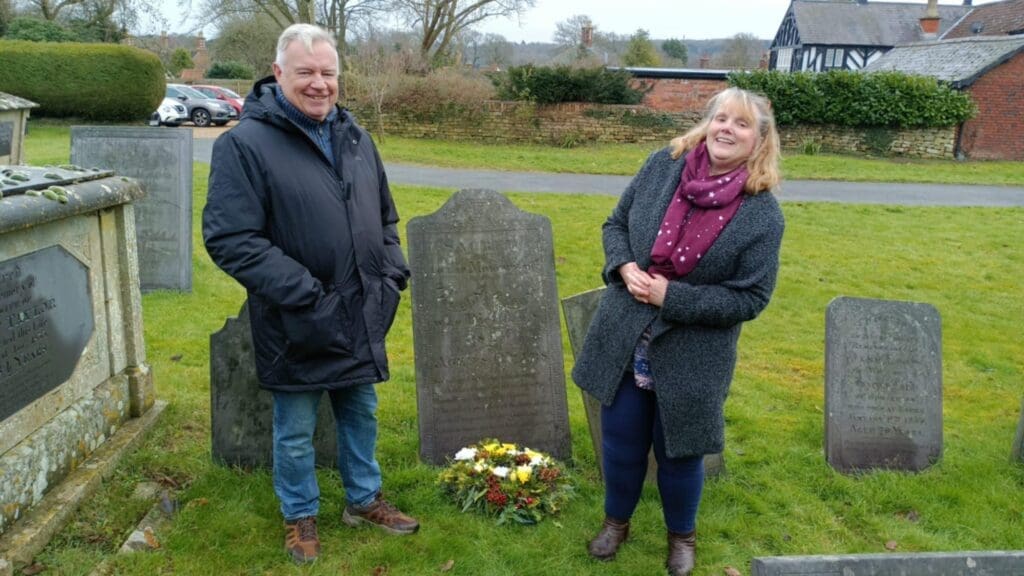
Two centuries later, this remarkable act of generosity united the modern-day community, blending heritage, music, and the enduring spirit of a generous benefactor.
The Grantham Canal, completed in 1797, was an engineering achievement of its time, stretching 33 miles from Grantham to the River Trent at West Bridgford. Designed by William Jessop, it was built to transport coal and agricultural goods, supporting the region’s economic growth. The canal’s prosperity peaked in the early 1840s, but the arrival of the railways led to its decline and eventual closure to boats in 1936. Despite this, much of the canal remained in water, serving agricultural needs and preserving its route through the countryside.
Since the 1970s, the Grantham Canal Society and its partners have spearheaded efforts to restore it. Work has focused on repairing locks, strengthening banks, and conserving wildlife habitats, with the long-term goal of returning the canal to full navigation.
Notable achievements include the restoration of several locks in the Woolsthorpe Flight, with Lock 15 completed in 2018 and ongoing work on Lock 13. These projects have relied heavily on volunteer labour, with thousands of hours dedicated to rebuilding historic structures and improving water management. Funding has come from a mix of sources, including the National Lottery Heritage Fund, the Canal & River Trust, and community donations.
The restoration plan for 2021-2030 outlines goals including building weirs and towpath bridges, repairing culverts and clearing navigation routes, removing silt and trialling new materials for lock gates, enhancing water supply and addressing leakage.
As restoration progresses, the Grantham Canal has become a valuable green corridor, supporting a rich variety of plants, birds, and aquatic species. Several stretches are designated as Sites of Special Scientific Interest (SSSIs), and the canal is a popular destination for walking, cycling, and boating.
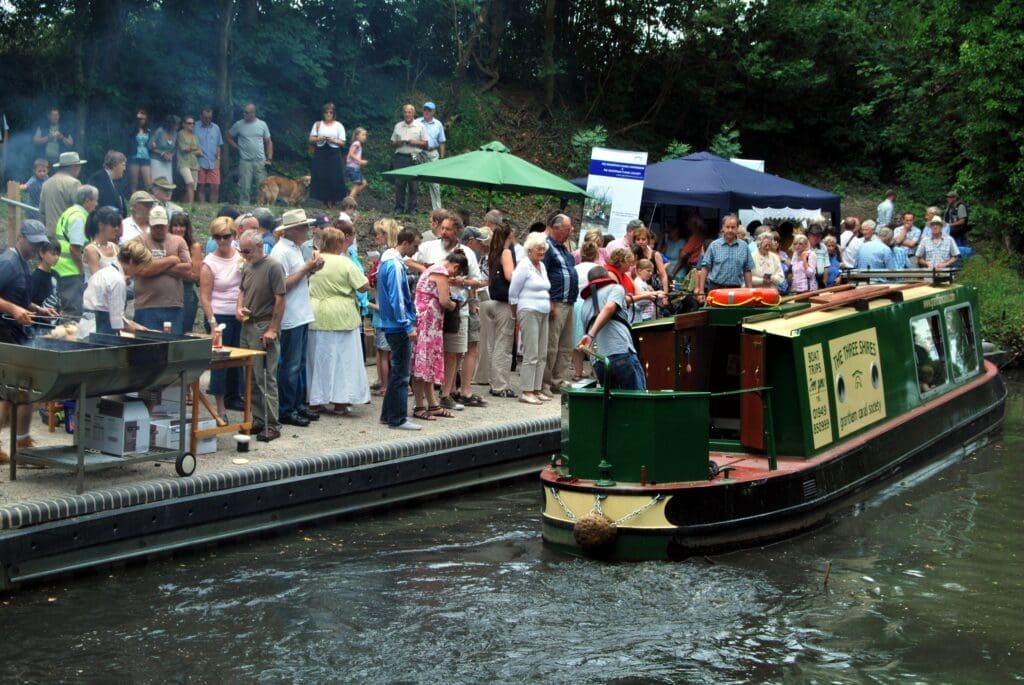
Community-led projects such as the restoration of Harlaxton Wharf and the running of boat trips have further strengthened the canal’s role as a place for recreation and nature conservation.
This year’s commemoration of Harby’s burial saw a service which included the singing of The Lord’s My Shepherd, a hymn based on the 23rd Psalm and commonly sung at funerals in the early 19th century. The event was made possible by Harlaxton History Society. Steve Parkes, the group’s archivist, located the grave, while Liz Carter and the church team made the service possible.
Society member Kim Ridgeway said: “I’ve been researching the village’s social history and a couple of years ago, I came across Nicholas Harby’s obituary, which I popped on our Facebook page. Liz Carter, who is in charge of bellringing, and I decided we should mark the 200th anniversary.
“The bells were rung at 11.45am and members of the congregation who had been at the morning service, plus members of the history society and people from the village gathered for our short service, which was held in the church due to the chilly, damp weather. It started promptly at midday – I introduced the proceedings and gave everyone a potted history of Nicholas Harby. Simon, our vicar, said a prayer, and then we all went outside and placed a wreath on Nicholas’s grave.
“There is still plenty of water in the canal today, so it’s only right and proper that his 200th anniversary was marked in the way he wished.”
For more about the work of the Grantham Canal Society, visit https://granthamcanal.org/
Nicholas Harby: An honest and eccentric character
RESEARCH carried out by Harlaxton History Society member Kim Ridgeway has revealed much about the man Nicholas Harby. An obituary which appeared in several newspapers around the UK said his “honesty was equalled only by his eccentricity.”
“He was born in about 1741. Mid-80s was a very good age for a man to attain in the early 1800s; the average life expectancy was 45, so to live to that great age meant he was healthy, as well as wealthy,” she said.
“I’ve been unable to find a birth record for him, and he doesn’t appear to have ever married. We know from the obituary he was for many years a faithful servant in Lord Brownlow’s family, but we don’t know in what capacity he served them. At the time of his death, he was a farmer in Harlaxton, but we don’t know which land he farmed or where he lived or how long he had lived here – the census which might have given us insight into this didn’t start until 1830, and he’s not mentioned in any parish records until his death. He is named in 1816 and 1817 as a subscriber to the Old Grantham Association for the Prosecution of Fellons.
“What we do know from his obituary is that he possessed considerable property which included shares in the Grantham Canal that he left to the church subject to the ringers and singers ringing and singing each year on the anniversary of his funeral. At some point this stopped, even though there’s plenty of water still in the canal – perhaps the money had run dry!
“Nicholas doesn’t appear to have been married. He was born in the reign of King George II, when Robert Walpole was Prime Minister, and lived through many notable historical events – the Boston Tea Party and the American War of Independence, the abolition of slavery, the Battle of Waterloo, the French Revolution and the famine in Ireland, not to mention the birth of the Industrial Revolution.”