The Canal & River Trust has confirmed it intends to move swiftly to implement recommendations made in the independent Commission on Boat Licensing Report, while acknowledging opposition.
Published at the end of last year, the report set out 36 recommendations focused on clearer licensing requirements and improved waterway management. In an update outlining how the recommendations will be taken forward, the trust said phase one is already underway with measures that can begin immediately. These include a review of communications with boaters to improve clarity, tone and recognition of different communication needs.
The trust said options to enhance welfare support will be outlined for implementation in phase two, and testing of a new Boater App will begin by the summer. Phase one will also include a programme to increase the removal of sunken and abandoned boats across the canal network.
A statement from the trust said it aims to act swiftly where possible, noting some actions will take time and involve consultation with boaters. A summary response to each recommendation is expected in late spring, alongside a timetable for engagement and consultation.
The trust said the response forms part of a wider plan to improve the boating experience, including increased investment in day-to-day navigational maintenance. It acknowledged the report’s finding that the current system is not working for many boaters or for the management of the network.
Phase two, expected to run until the end of 2027, will include consultation on clarification of movement requirements for boats without a home mooring, a review of boat safety and insurance requirements, and a review of licence fee discounts.
Phase three, expected from 2028 onwards, will examine recommendations requiring new legislation. These include seeking additional powers to manage congested areas and new powers around issuing and enforcing licences, while maintaining legal safeguards for boaters.
The trust also announced an additional £2 million investment in the year ahead to repair leaking locks, cut back overgrowing trees and encroaching weeds, and begin a phased increase in dredging. It said this builds on investment introduced last year targeting broken paddles and repairs to boater facilities, bringing total investment to more than £10 million over two years.
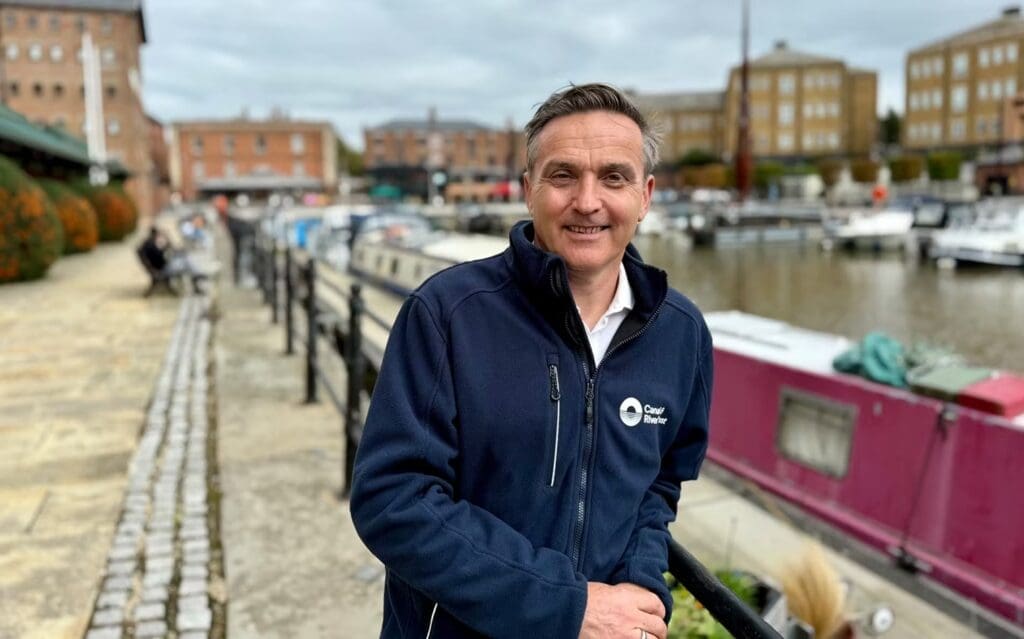
Chief executive Campbell Robb said the commission’s report highlights how waterways are used today and offers an opportunity to reset the trust’s relationship with boaters. He added that increased spending on dredging, tree cutting and lock repairs builds on last year’s measures, despite challenges posed by summer drought and winter storms.