ONE of the UK’s largest and most significant waterway restoration projects has secured £6.46 million in funding, paving the way for the Stroudwater Navigation to reconnect with the national canal network for the first time in over 70 years.
Through the Cotswold Canals Connected (CCC) partnership, the stretch of canal between Stonehouse and Saul will now be fully restored, reinstating Stroud’s currently landlocked historic canal and linking it back into the nationwide inland waterways network. Central to the scheme is the rebuilding of the long-lost “missing mile” — including taking the canal beneath the M5 motorway — and delivering a fully accessible towpath connecting Stroud, Gloucester and Sharpness.
The target is for the canal to officially reopen in 2029, marking exactly 250 years since the original Stroudwater Canal opened in 1779.
David Hagg, chair of trustees for the Cotswold Canals Trust, which leads the project alongside Stroud District Council, said:
“This incredible support marks a truly historic moment for the trust. It brings us another step closer to realising our long-held vision of reconnecting the Stroudwater Navigation to the national canal network for the first time in more than 70 years. This achievement is a testament to the passion, dedication and thousands of volunteer hours contributed by our members and supporters. We are immensely proud of what has been accomplished so far and excited to see how this funding will help us restore the final stretch, create new opportunities for communities, and protect the canal’s natural heritage for generations to come.”
A wide programme of community activity, access improvements and canal-side projects will broaden participation and help more people engage with the waterway. New public spaces will be created along the route, and the internationally significant Stroudwater Navigation Archive — believed to be the oldest canal archive in the world — will support fresh opportunities to share the canal’s history in creative and accessible ways.
Young people will also play a major role, contributing through volunteering, schools engagement and taking an active part in shaping the future of the restored navigation.
The investment is expected to deliver major benefits to the region — reconnecting communities across the Stroud Valleys, Stonehouse, Gloucester and the Severn Vale with one of England’s historic industrial landscapes. It will boost tourism, support local economies and enhance the natural environment through ongoing conservation and biodiversity work.
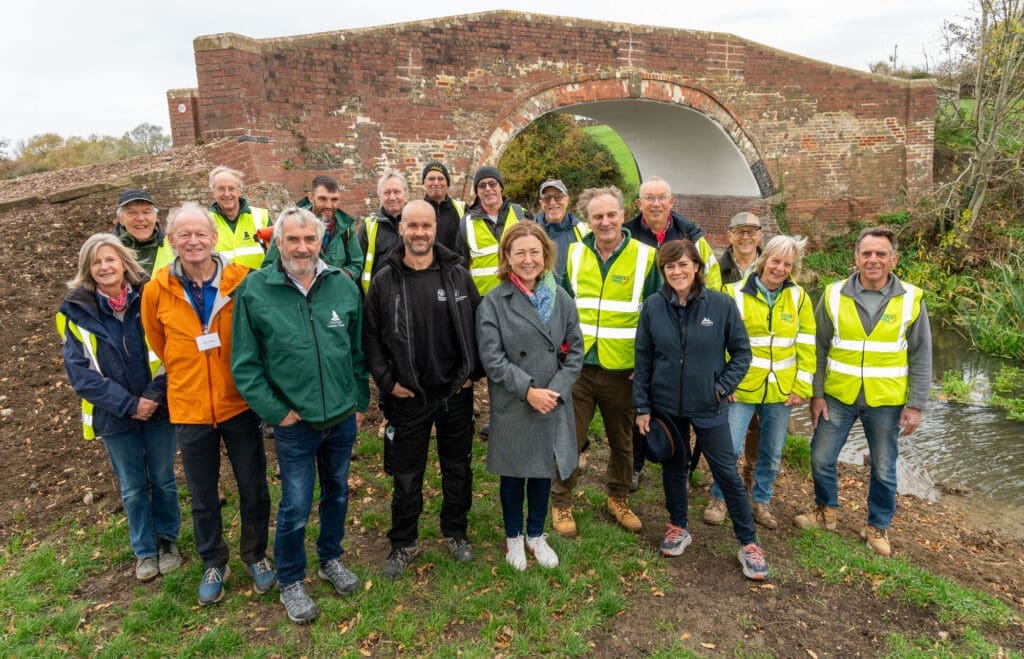
The Environment Programme, led by Gloucestershire Wildlife Trust, has already delivered substantial improvements to wildlife habitats along the canal, including a new nature corridor, wetland areas, four kilometres of new hedgerow and the restoration of a traditional orchard.
Over the past four years, more than 750 volunteers have contributed 93,600 hours to the restoration effort, supporting wildlife projects, community events and hands-on canal works.
Taryn Nixon, trustee and chair of the England, London and South Committee for The National Lottery Heritage Fund, said:
“The restoration of the Stroudwater Canal is a powerful example of heritage literally connecting places, people, and nature for the benefit of the future. Thanks to National Lottery players, this ambitious strategic project will revive globally important industrial heritage, create a connected nature corridor, and unlock lasting benefits for local economies and people’s health and wellbeing. We are proud to invest in a vision that celebrates heritage while shaping a sustainable future for generations to come.”